
Turning Waste into Aesthetics: Coconut Coir-Based Kokedama as a Sustainable Agribusiness Solution

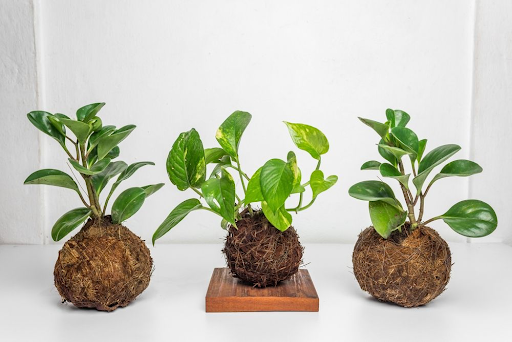
Kokedama in ornamental plants | Archify Indonesia
Hello, familIAAS! Indonesia is widely known as one of the countries with a vast potential for coconut plantations. Based on 2022 data, the nation’s coconut plantation area spanned 3.34 million hectares, yielding a fantastic total production of 2.87 million tons of coconuts. However, behind this impressive production figure lies a major challenge, the massive accumulation of solid waste, particularly coconut coir.
If not managed wisely, coconut coir waste can pose significant negative impacts on the environment. Accumulations of coir can degrade sanitation, become breeding grounds for diseases, trigger air pollution due to illegal open burning, and even present a biosecurity threat. Therefore, appropriate innovations are essential to transform this waste into artistic creations with high aesthetic and economic value, such as utilizing it as alternative planting media or organic pots.
Scientifically speaking, coconut coir waste possesses unique characteristics that are highly beneficial for plants. It contains carboxyl groups and lignin, which harbor phenolic acid compounds. These elements are highly sought after and needed by plants to support optimal growth. One creative method that successfully bridges the advantages of coconut coir with the beauty of ornamental plants is the Kokedama technique.
Kokedama is a traditional Japanese planting art that bypasses the use of conventional pots. The word itself is derived from the Japanese terms “koke”, meaning moss, and “dama”, meaning ball. In modern adaptations, the function of the moss can be perfectly substituted or combined with the abundance of coconut coir available around us.
The process of crafting a modern coconut coir-based kokedama is remarkably simple and easy to practice at home. The initial step begins with preparing the growing medium by mixing soil, burned rice husk, and organic fertilizer in a 1:1:1 ratio, adding just enough water until the mixture reaches a smooth, pliable consistency. This mixture is then molded into a ball, which is carefully split into two halves so that the roots of the ornamental plant can be placed right in the center before being joined back together. Once the soil ball is whole again, its entire surface is wrapped evenly with coconut coir and bound tightly with sewing thread to ensure a strong, solid structure. As a final touch to elevate its aesthetic value, the outer layer of the ball is beautifully wrapped with a neat arrangement of cotton twine.
To ensure that the ornamental plant within the kokedama thrives and remains resilient, post-production care is a crucial key that must not be overlooked. After the wrapping process is complete, the kokedama should first be submerged in clean water to lock in the moisture of the medium, then dried under direct sunlight for approximately 30 minutes. Following this, the kokedama is soaked for another two minutes in water mixed with half a tablespoon of NPK fertilizer to supply essential nutrients, and then dried once more until the exterior looks neat and ready to display. For long-term routine maintenance, this plant is incredibly practical as it only requires watering once a week and re-fertilizing once a month.
Implementing the Kokedama technique brings a wealth of tangible benefits, both for households and the creative industry. Aside from being low-maintenance, Kokedama serves as a modern, pot-less planting alternative that is highly effective for space-saving, making it perfect for urban areas. More importantly, this innovation enhances the economic value of raw materials previously dismissed as garbage, while simultaneously opening up promising new agribusiness opportunities for the younger generation.
Let us work together to optimize the agricultural potential around us through concrete, eco-friendly actions. Stay sustainable, familIAAS! (GIA)
Author : Gita Mutiara Auliya
References:
Afnan, M. Z., Utomo, B., & Purana, I. P. T. (2025). Making Kokedama as an implementation of ecological awareness at NSA Surabaya High School. Biodidaktika: Jurnal Biologi dan Pembelajarannya, 20(2), 137-154.
Ariatma, A. A., Kadir, A., & Fahruddin, F. (2019). Pemanfaatan Limbah Serabut Kelapa Di Desa Korleko Kecamatan Labuhan Haji Kabupaten Lombok Timur. Jurnal Warta Desa (JWD), 1(3).
Faizah, R., Nabilah, C. F., Triswanti, D. R., HS, L. L., Latifah, D. N., & Fitriana, V. D. (2023). Pembuatan Kokedama sebagai Pemanfaatan Limbah Sabut Kelapa di Pondok Pesantren Al Azhaar Tulungagung. Perigel: Jurnal Penyuluhan Masyarakat Indonesia, 2(3), 08-15.
Fajriani, S., Mustaniroh, S. A., Dewi, I. A., & Subagiyo, A. (2021). Kokedama sebagai inovasi produk jual tanaman hias daun di Desa wisata Sidomulyo, Kota Batu. TRI DHARMA MANDIRI: Diseminasi dan Hilirisasi Riset kepada Masyarakat (Jurnal Pengabdian kepada Masyarakat), 1(1), 27-33.