Low Methane (CH4) Emission Rice Varieties: An Eco-Friendly Solution for Sustainable Agriculture

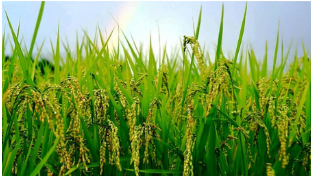
Source: Stockist Nasa
Rice is the primary staple food crop for the people of Indonesia. As the population continues to grow, the national demand for rice automatically surges every year. However, behind its crucial role in maintaining food security, flooded paddy field cultivation presents ecological challenges.
Flooded paddy soil conditions create an anaerobic environment that causes the formation of methane gas (CH4). The flooded rice cultivation sector contributes approximately 21.9% of total emissions with an increasing rate of 1–2% per year.
As a tangible step toward climate change mitigation without compromising food productivity, the Ministry of Agriculture (Kementan) in collaboration with the National Research and Innovation Agency (BRIN) and the International Rice Research Institute (IRRI) are working to breed and promote low-emission rice varieties.
Understanding the Characteristics of Low-Emission Rice
The release of methane gas from the soil into the atmosphere is strongly influenced by the morphology and physiological traits of the rice plant itself. Based on plant breeding research, there are several key traits that determine the methane emission level of a variety:
- Aerenchyma Cavity Structure: Methane moves from the soil to the atmosphere primarily through aerenchyma tissue (air channels in stems and roots). Varieties with more efficient aerenchyma cavity size or density are able to suppress the rate of methane release.
- Root Exudate Secretion: Methanogenic bacteria in the soil utilize liquid organic matter (exudates) released by roots as an energy source. Rice varieties that produce fewer root exudates naturally limit the activity of methane-forming microbes.
- Heritability Value of Traits: Research shows that physiological and morphological traits associated with reduced methane emissions have specific heritability values, allowing them to be inherited and further developed through plant breeding programs.
List of Low-Emission Rice Varieties in Indonesia
Based on research publications from the Agricultural Research Agency (Kementan/BRIN) and various related scientific journals, the following are 10 superior rice varieties proven to have relatively lower greenhouse gas emission ratios:
- Inpari 13
- Mekongga
- Inpari 31
- Batanghari
- Cigeulis
- Memberamo
- Inpari 6
- Inpari 19
- Inpari 28
- Inpari 23
Dual Benefits: Protecting the Environment while Improving Farmer Welfare
FamilIAAS, do you know why selecting low-emission rice varieties is important? Selecting low-emission rice varieties is not only beneficial for the environment, but also directly affects farmer welfare. By reducing methane gas emissions, farmers can lower production costs and increase their crop yields. Furthermore, the use of more environmentally friendly rice varieties can open access to broader markets where consumers are increasingly attentive to agricultural product sustainability.
Environmental sustainability and farmer welfare can go hand in hand. By adopting low-emission rice varieties, we are not only planting rice for today, but also cultivating a healthier future for generations to come. (FDY)
Author: Marsya Aulia Khusnul Khatimah
References:
Arisandi, F. D., Setyanto, P., & Ardiarini, N. R. (2018). Heritabilitas dan karakteristik tanaman padi rendah emisi gas metana. Jurnal Produksi Tanaman, 6(6), 1042–1047. https://protan.studentjournal.ub.ac.id/index.php/protan/article/view/745
Kementerian Pertanian Republik Indonesia. (2026, 15 April). Wamentan Sudaryono ungkap peran besar sektor pertanian dalam ekonomi karbon. Kementerian Pertanian RI. https://www.pertanian.go.id/ap_pages/mod/datahorti?show=news&act=view&id=7666
Wentasari, R., & Lisa, I. (2024). Greenhouse gas emission reduction technology in Indonesian rice cultivation. Jurnal Agroqua: Media Informasi Agronomi dan Budidaya Perairan, 22(1), 1–9. https://doi.org/10.32663/ja.v22i1.4190