
Drained but Not Dead: Restoring Peatlands Before They Become Carbon Sources

Wikimedia Commons | Mankdhay Rahman
Hello, FamilIAAS!
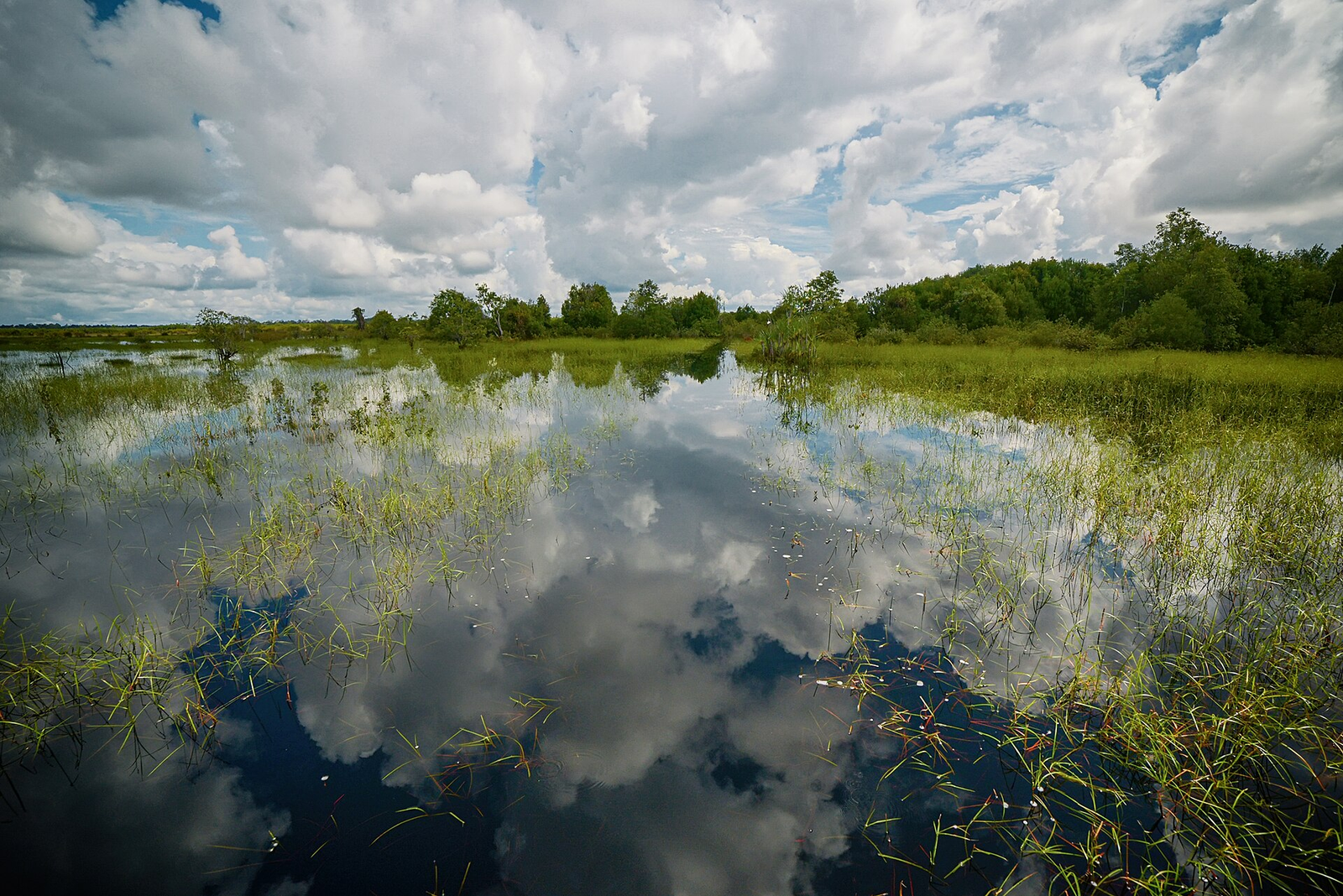
Have you ever wondered what happens when an ecosystem that has stored carbon for thousands of years begins releasing it into the atmosphere? Peatlands may look like ordinary wetlands, but beneath their waterlogged surfaces lies one of the world’s largest terrestrial carbon stores. These ecosystems play an essential role in regulating the global climate. However, drainage, deforestation, and land conversion are putting peatlands at risk, particularly in Southeast Asia. As climate change becomes an increasingly urgent issue, protecting and restoring peatlands is no longer just an environmental concern it is a crucial step toward reducing greenhouse gas emissions.
Peatlands are ecosystems formed through the gradual accumulation of partially decomposed plant materials under waterlogged conditions. Because water limits the availability of oxygen, decomposition occurs very slowly, allowing organic matter to build up over thousands of years and form thick layers of peat. This process enables peatlands to store enormous amounts of carbon. In their natural condition, peatlands generally maintain high water levels, supporting unique biodiversity while functioning as important carbon sinks. Their ability to retain carbon, regulate water, and provide habitats makes them valuable ecosystems that deserve long-term protection.
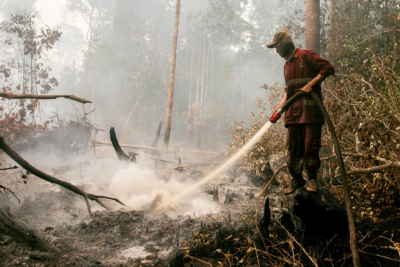
So, what happens when peatlands are drained? Lowering the water table exposes previously waterlogged peat to oxygen, accelerating the decomposition of accumulated organic matter. As a result, carbon that has been stored for centuries or even thousands of years can be released into the atmosphere, mainly as carbon dioxide (CO₂). Drained peatlands also become more vulnerable to land subsidence and fires, which can cause substantial carbon emissions and damage surrounding ecosystems. This means that an ecosystem once capable of storing carbon can gradually become a significant source of greenhouse gases when its natural hydrological balance is disturbed.
Wikimedia Commons | DenY Krisbiyantoro
Fortunately, degraded peatlands are not beyond recovery. One of the most important restoration strategies is rewetting, which aims to restore water levels and maintain the peat’s naturally wet conditions. This can be achieved through measures such as canal blocking, where drainage canals are blocked to slow water loss and help retain moisture within peatland areas. By raising the water table, rewetting reduces oxygen exposure in the peat layer and can slow the decomposition of organic matter. Although this approach can significantly reduce carbon dioxide emissions, restoration does not immediately return degraded peatlands to their original condition. Continuous monitoring and long-term management are necessary to ensure that restoration efforts remain effective.
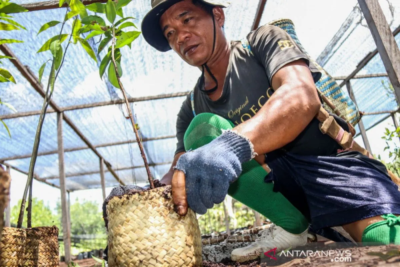
However, restoring peatlands requires more than simply bringing water back. Revegetation is also essential to support ecosystem recovery. Planting suitable native species helps rebuild vegetation cover, maintain ecological functions, and provide habitats for wildlife. The selection of plants should consider local peatland conditions, including water levels and soil characteristics. In addition, restoration efforts must involve communities living around peatland areas. Local communities play an important role in managing and protecting these ecosystems, so restoration programs should also consider their livelihoods, knowledge, and participation. Without meaningful community involvement, restoration efforts may face challenges in maintaining their long-term success.
Borneo Nature Foundation | Yohanes Prahara
It is also important to understand that peatland restoration involves balancing different environmental processes. Rewetting can reduce carbon dioxide emissions, but it may also influence methane (CH₄) emissions under waterlogged conditions. Therefore, the success of restoration should not be measured through a single indicator. Instead, it requires considering overall greenhouse gas dynamics, water-table stability, vegetation recovery, fire prevention, and biodiversity. An integrated approach that combines hydrological restoration, revegetation, monitoring, and community participation offers a stronger foundation for sustainable peatland management.
Ultimately, peatlands are not simply forgotten wetlands waiting to be developed. They are living ecosystems that protect biodiversity, regulate water, and store carbon that would otherwise contribute to climate change. Their degradation reminds us that disrupting natural systems can have consequences far beyond the affected landscape. Yet, restoration offers an opportunity to change that trajectory. By protecting remaining peatlands and restoring degraded ones, we can help prevent these ecosystems from becoming major carbon sources. So, FamilIAAS, the next time we talk about climate solutions, let’s remember that sometimes one of the most important actions is not creating something new, but bringing a damaged ecosystem back to life. (RAY)
Author: Raisah Mahira
References:
Darusman, T., Murdiyarso, D., Impron, & Anas, I. (2023). Effect of rewetting degraded peatlands on carbon fluxes: A meta-analysis. Mitigation and Adaptation Strategies for Global Change, 28(10), 1–20. https://doi.org/10.1007/s11027-023-10046-9
Mander, Ü., Öpik, M., & Espenberg, M. (2025). Global peatland greenhouse gas dynamics: State of the art, processes, and perspectives. New Phytologist, 246(1), 94–102. https://doi.org/10.1111/nph.20436
Mishra, S., Page, S. E., Cobb, A. R., Lee, J. S. H., Jovani-Sancho, A. J., Sjögersten, S., Jaya, A., Aswandi, & Wardle, D. A. (2021). Degradation of Southeast Asian tropical peatlands and integrated strategies for their better management and restoration. Journal of Applied Ecology, 58(7), 1370–1387. https://doi.org/10.1111/1365-2664.13905
Toumbourou, T. D., Lestari, S., Yuwati, T. W., Treby, S., Winarno, B., Rachmanadi, D., Idrus, N. I., Sakuntaladewi, N., Budiningsih, K., Grover, S. P. P., & Rawluk, A. (2024). Principles for equitable and resilient tropical peatland restoration in Central Kalimantan, Indonesia. Restoration Ecology, 32(7), 1–16. https://doi.org/10.1111/rec.14221